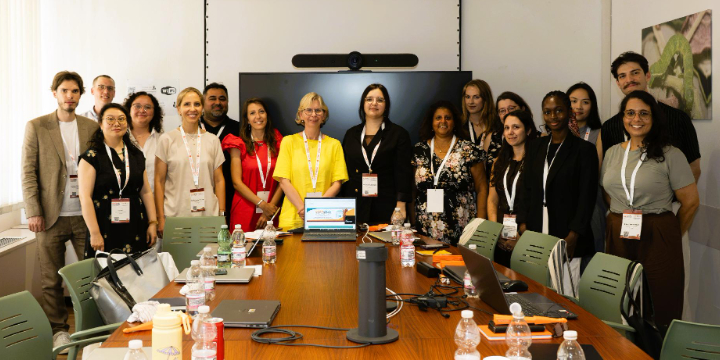
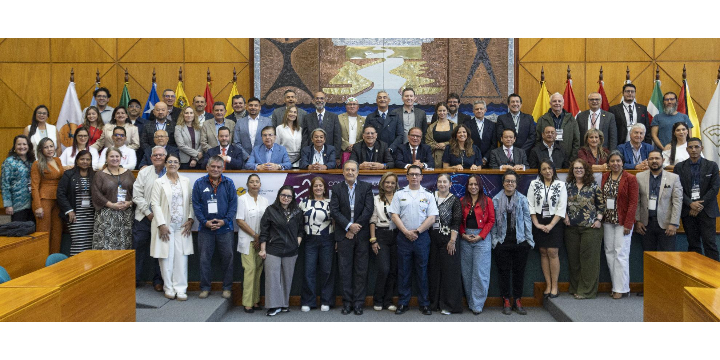
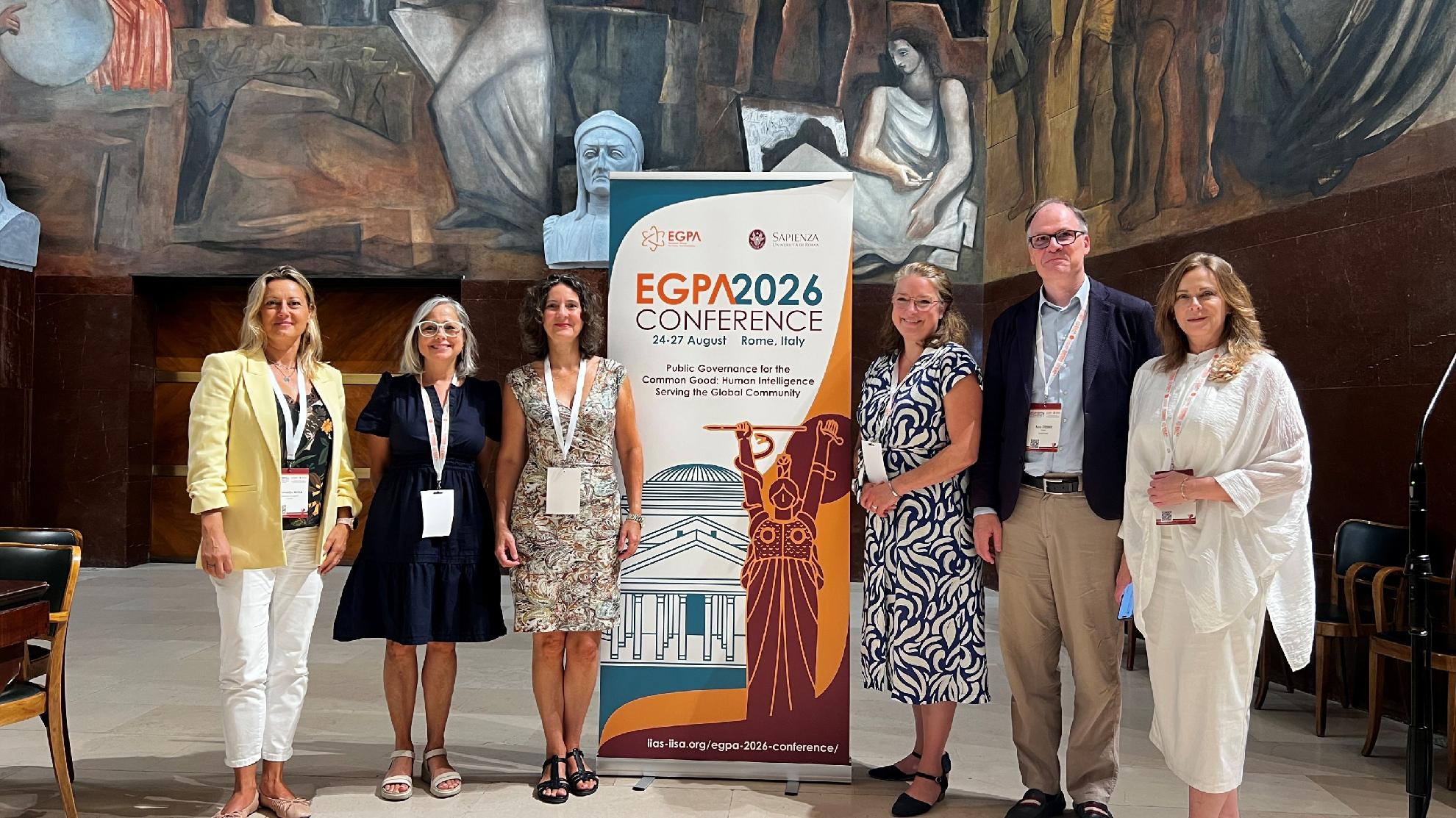
The European Group for Public Administration (EGPA) brought together 620 participants from 60 countries to Sapienza Università di Roma from 24 to 27 August for its 2026 Conference – a truly global gathering under the theme “Public Governance for the Common Good.” More than a successful conference, Rome was a powerful showcase of EGPA’s new energy and momentum: fueled by a year of renewal, reforms and innovation, the conference radiated a fresh, open and dynamic atmosphere, bringing new faces, new ideas and new connections together and demonstrating the vitality of a reinvigorated EGPA community.
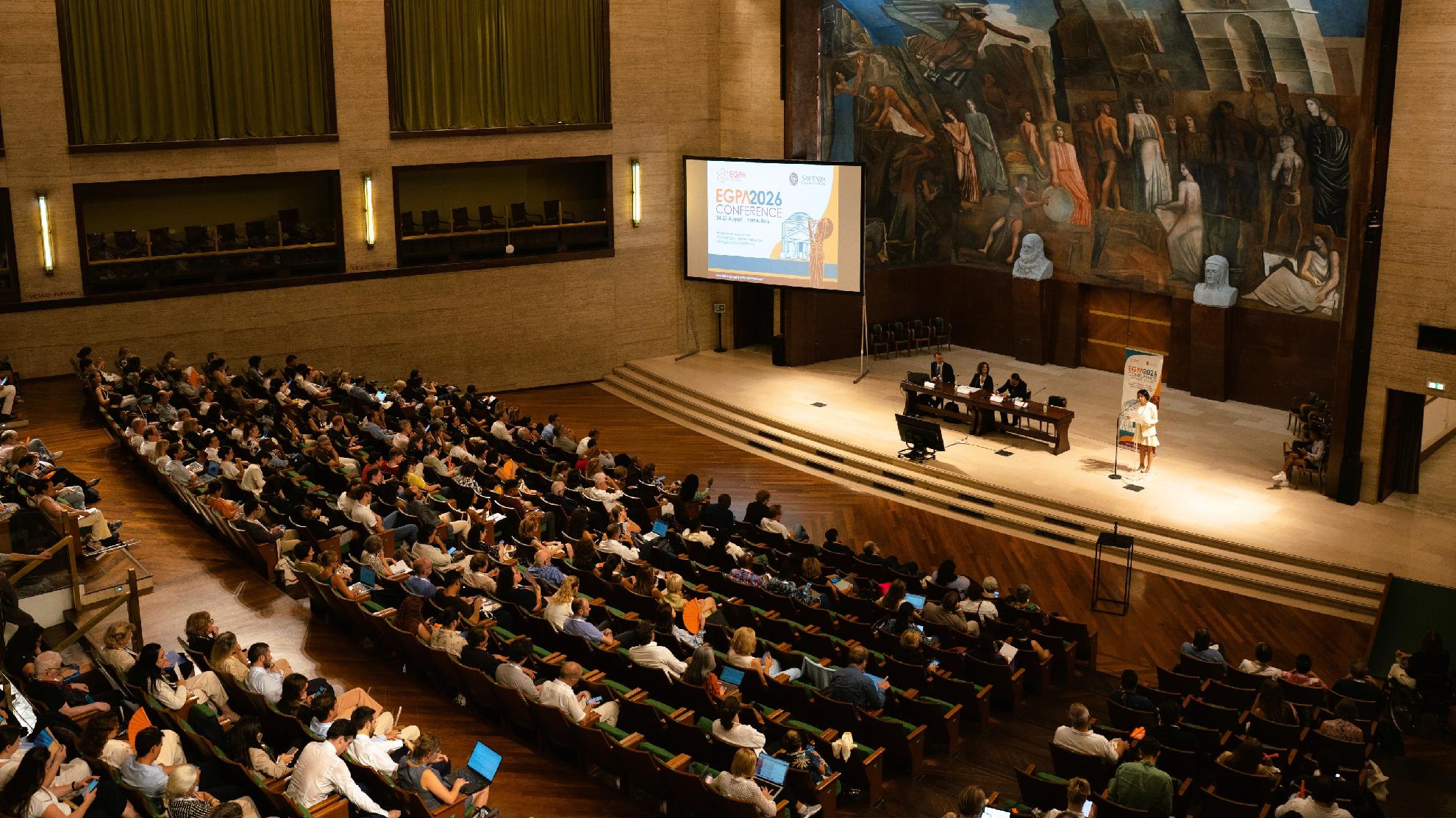
The programme featured 30 tracks and attracted more than 900 submissions – a powerful reflection of the renewed energy and growing international reach of EGPA. Across groups, panels, the Trans-Atlantic Dialogue, the Roundtable “Grand Challenges, Shared Agendas” with leaders from academic associations across the world, the Editors’ panel, the PhD symposium, and the Mediterranean Dialogue, EGPA brought together scholars and practitioners from Europe and beyond, turning Rome into a truly global meeting point for public administration research and exchange.
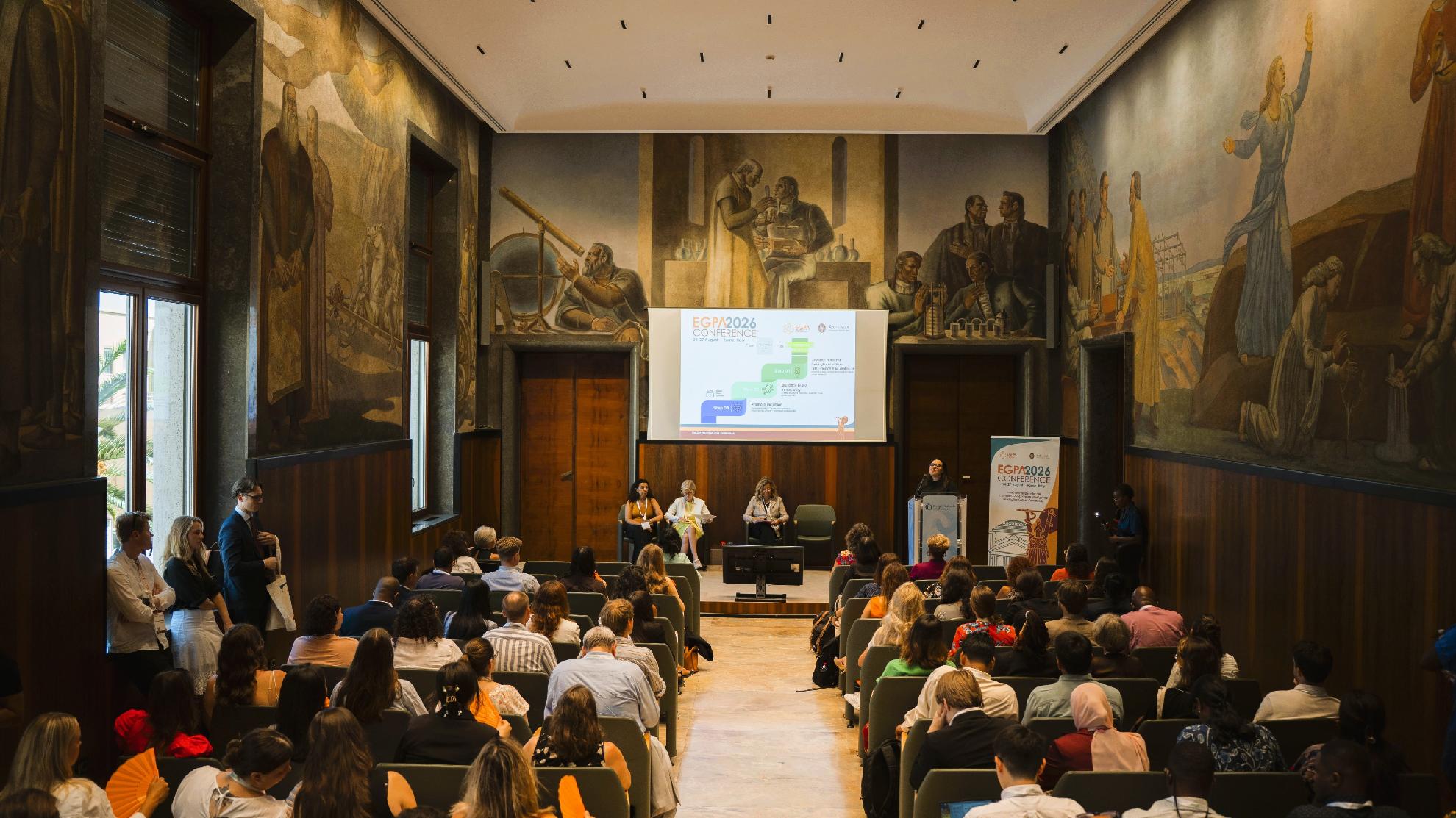
Reflecting on the conference, EGPA President, Prof. Dr. Sabine Kuhlmann, summarized five messages that stood out in Rome: First, public administration is moving from a narrow focus on efficiency towards capacity, resilience and public value. Second, digital transformation and AI are no longer simply technological issues, but questions of institutional design, rights and professional judgement. Third, democracy and administration are inseparable: professional, impartial and rule-based administration is itself a democratic institution. Fourth, complex challenges require collaboration across levels and sectors, but collaboration also needs clear governance and accountability. Finally, the future of public administration remains deeply human: ethics, learning, leadership and dialogue will become more important, not less, in an increasingly complex world.
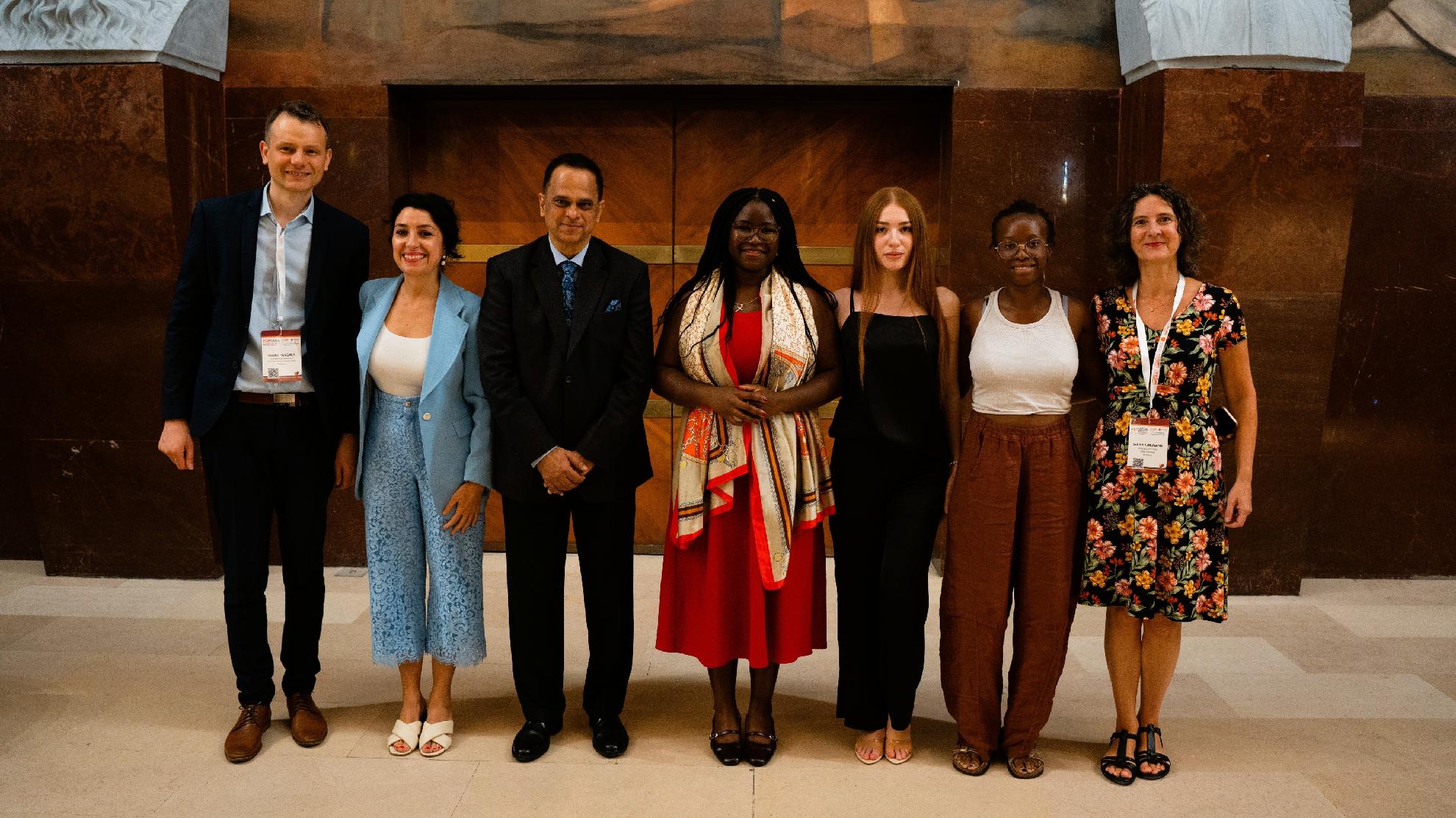
EGPA President, Sabine Kuhlmann, also highlighted a message that reached across these debates:
“The future of public administration remains deeply human: ethics, learning, leadership and dialogue will become more important, not less, in an increasingly complex world.”
IIAS President, Voruganti Srinivas, described Rome as a significant moment for EGPA. In a recent interview, he recognised the work of EGPA’s leadership, the organising team at Sapienza and the IIAS Secretariat, and pointed to the conference’s lasting value for the community:
“The momentum created in Rome provides a strong foundation for an even broader presence at the 2027 EGPA Conference.”
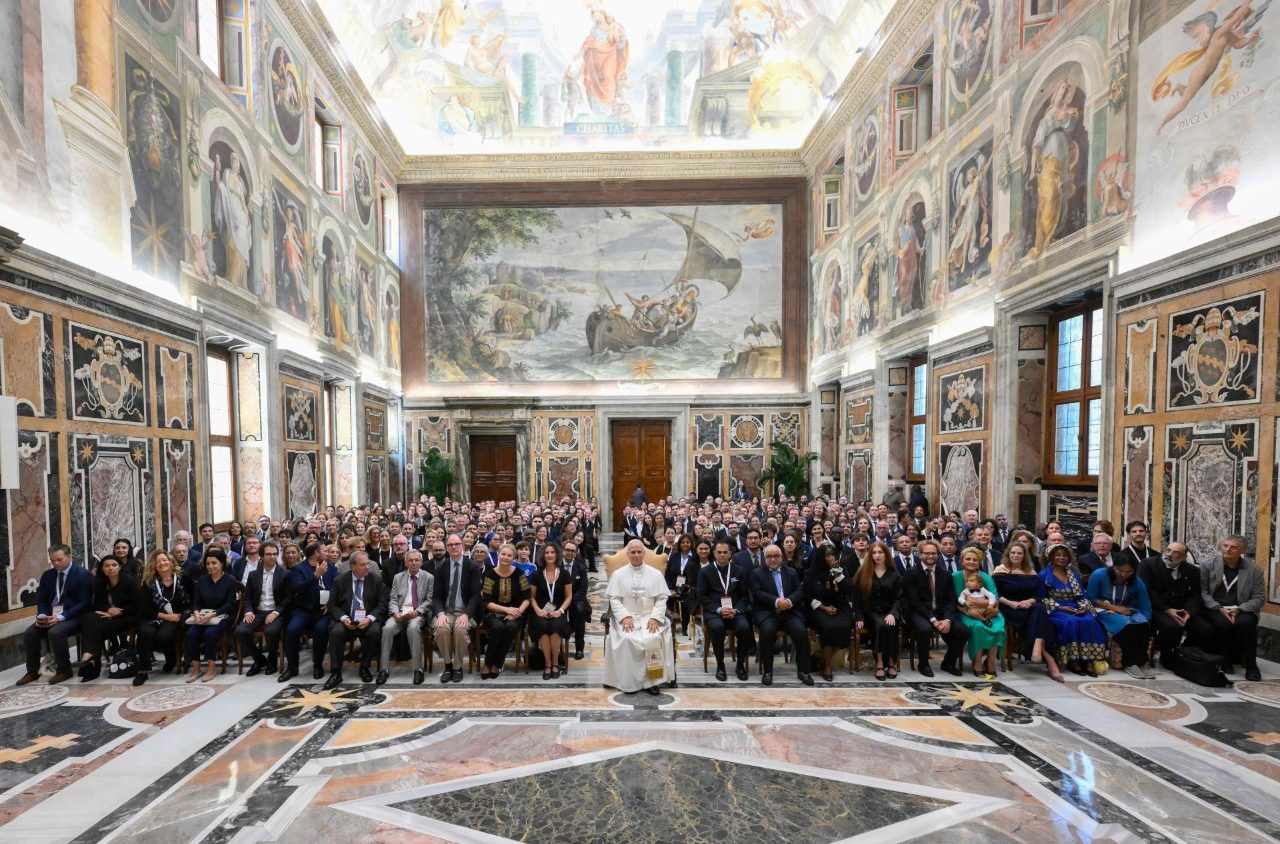
Following the conference, more than 500 delegates attended a private audience with Pope Leo XIV at the Vatican. His reflections on human dignity and the need for technology to serve the common good resonated with questions explored throughout the gathering.
EGPA 2.0 – A Year of Transformation
EGPA’s journey over the past year has not always been easy, but the challenges became an opportunity for transformation. Inspired by our community and supported by the IIAS President, EGPA has turned this momentum into a series of important innovations that are reshaping EGPA. What began as an ambitious reform agenda has quickly turned into tangible change across EGPA – strengthening our community, expanding opportunities and laying the foundations for the future.
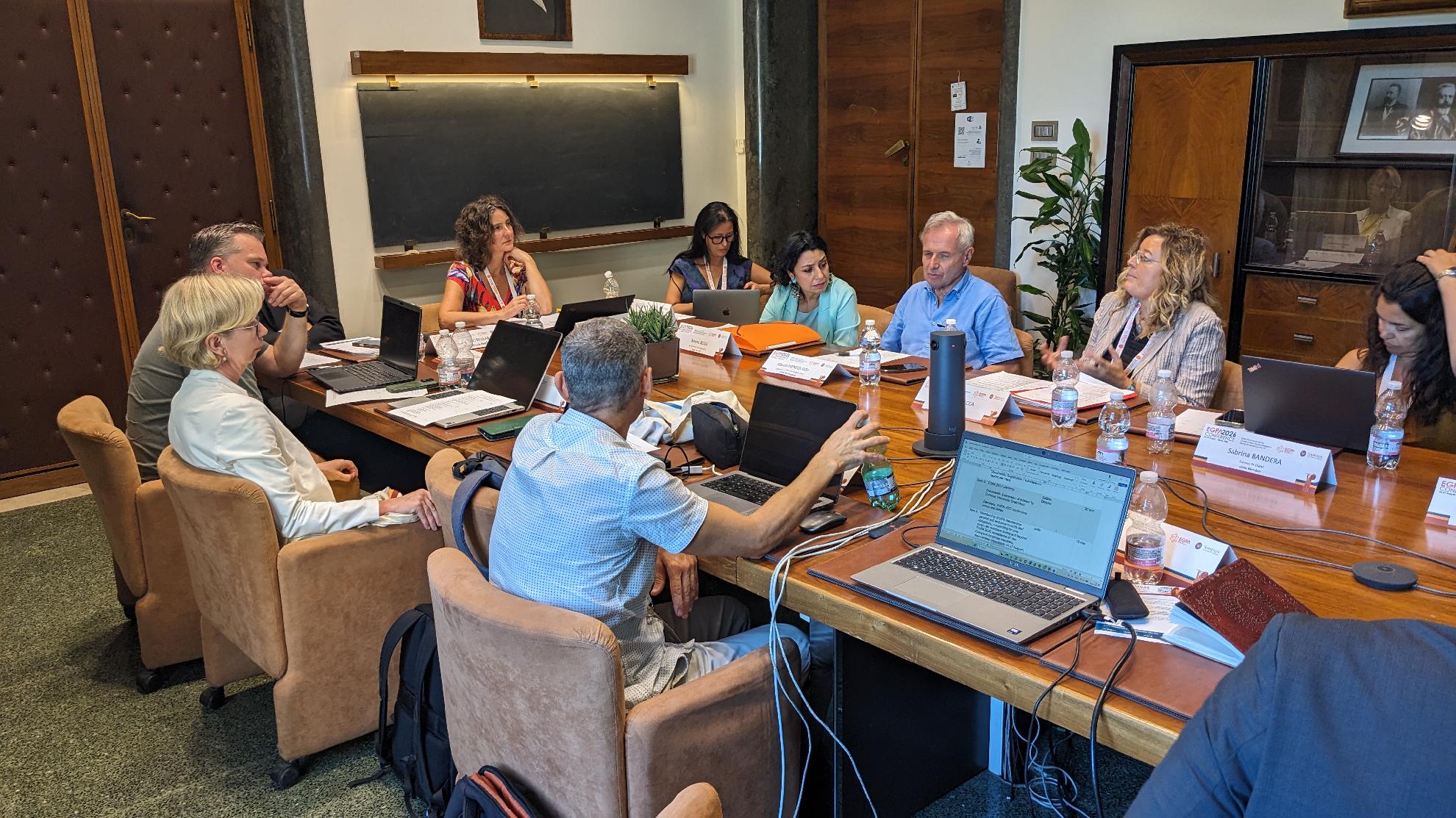
More flexible formats, more opportunities, fresh energy: EGPA introduced new conference formats such as Ad Hoc Groups and Specialized Panels, bringing important new topics and fresh energy to areas that had previously been underrepresented. Together with our 15 Permanent Study Groups (PSGs), these formats have broadened EGPA’s intellectual scope – while welcoming many new colleagues and bringing fresh faces, perspectives and energy to our community. The PSG renewal process will continue, and we very much welcome your ideas and contributions. A call for new EGPA Groups and Panels will be published on 16 October here.
A more inclusive EGPA community: EGPA has introduced travel grants for Early Career Researchers, booster grants and lower conference fees, making participation in our conferences more accessible and inclusive.
A new PhD Symposium: EGPA completely revamped the PhD symposium to make it more attractive, interactive and relevant for the next generation of public administration scholars. More than 40 PhD students participated in the EGPA PhD Symposium (80 applications had been received).
Stronger links between conferences and publications: With editors’ panels and the IRAS Special Issue Panel, EGPA created new opportunities to connect conference participation with publication pathways.
A renewed culture of dialogue: EGPA revitalized the Dialogues – the Transatlantic Dialogue (TAD) with ASPA in Rome 2026 and New Orleans 2027, the Trans-European Dialogue (TED) with NISPAcee in Lisbon 2027, and MED in Rome 2026.
Greater autonomy and stronger support for our community: EGPA now has its own budget for the first time, a new EGPA Executive Officer, and more functional autonomy within IIAS. EGPA has ensured that a fair share of EGPA-generated revenues goes back to our community through travel grants and booster grants.
A stronger digital presence: EGPA has significantly increased its visibility on social media.
A new award celebrating excellence: Next year, EGPA will present the first Fabienne-Maron Award for the best EGPA conference paper, named after one of the most important figures in EGPA’s history.
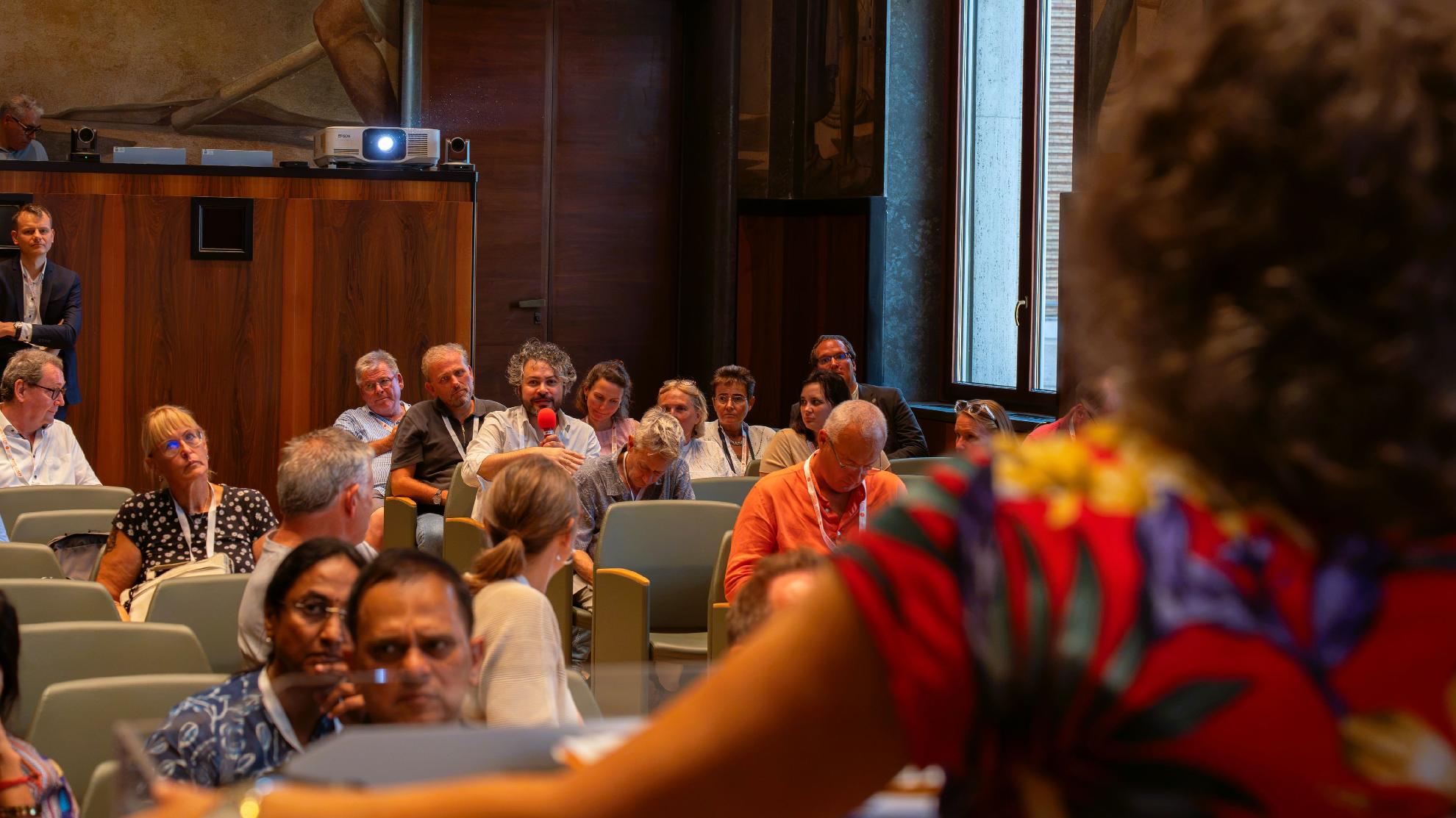
One year, real transformation
These changes are not cosmetic. They are foundational. In just one year, EGPA has taken important steps towards EGPA 2.0: a more open, inclusive, connected and dynamic community.
And the transformation does not stop here. The reforms are already having an impact beyond EGPA and will continue to contribute to the development of IIAS and its institutions.
Looking ahead
There is no time to rest for long. Rome may be over, but the conversation certainly is not. We are already preparing for:
Trans-European Dialogue (TED) – Lisbon, ISCTE together with NISPAcee, 4–5 March 2027
Trans-Atlantic Dialogue (TAD) – New Orleans, together with ASPA, 12–13 April 2027. You can connect with the TAD network here.
EGPA 2027 – Budapest, Corvinus University, 24–27 August 2027.
We look forward to your participation in these activities.