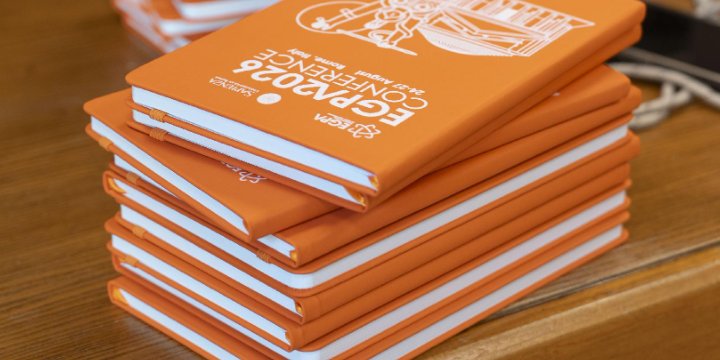
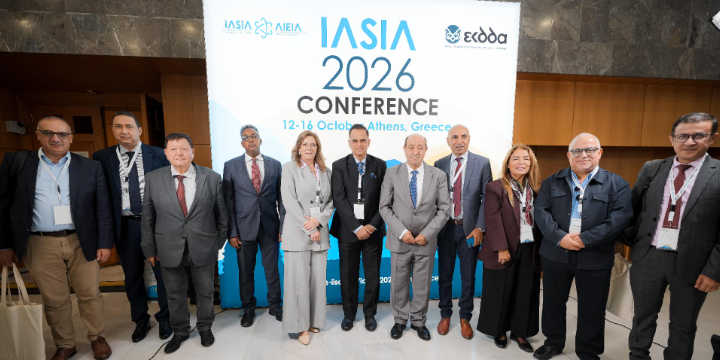
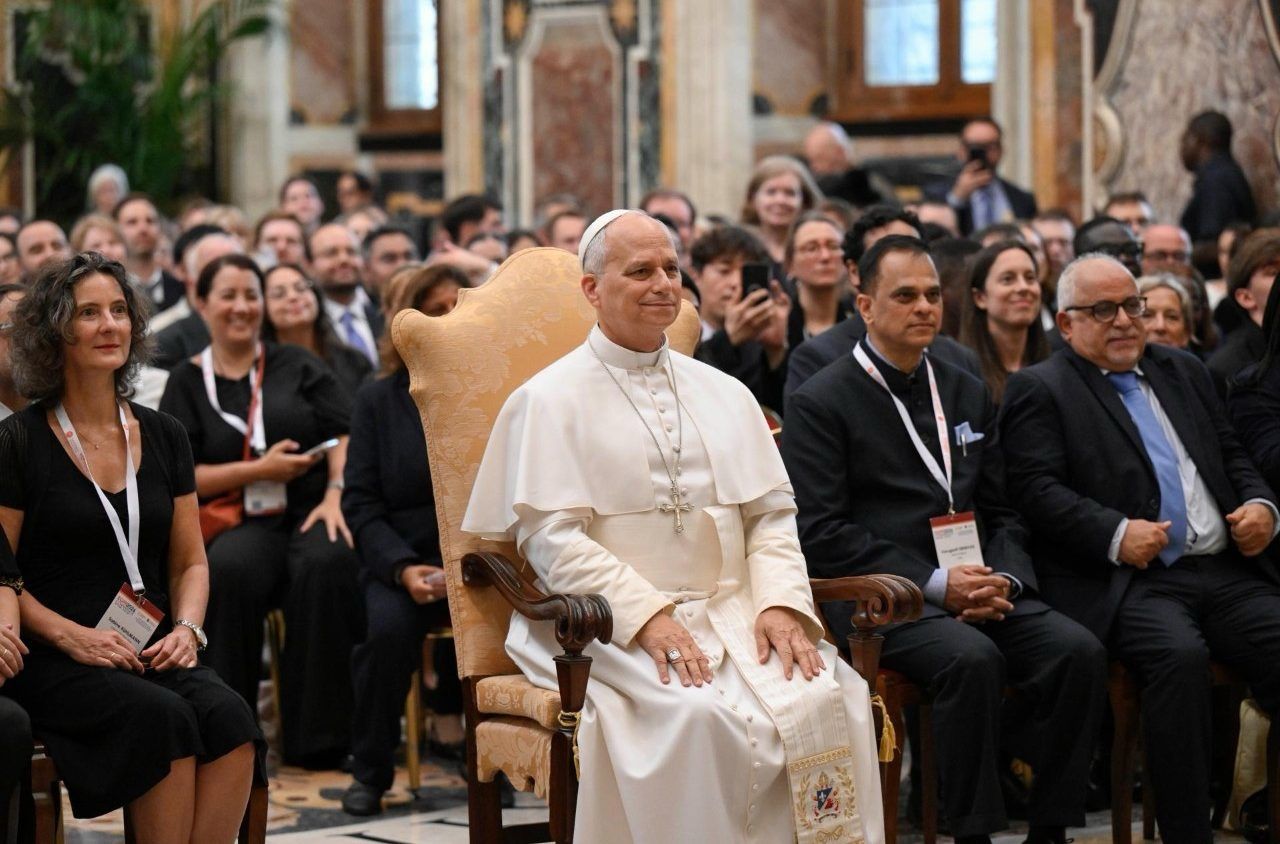
Pope Leo XIV received more than 500 delegates from the International Institute of Administrative Sciences (IIAS) community at the Vatican on 28 August 2026, following the EGPA 2026 Conference in Rome. In an address devoted to artificial intelligence and the responsibilities of public institutions, he encouraged the Institute to help shape digital technologies that serve people, life and peace.
The audience extended the discussions of the preceding four days. Under the theme “Public Governance for the Common Good: Human Intelligence Serving the Global Community,” the EGPA Conference had examined how governments can put technological advances to work while protecting human judgement, rights and accountability. Pope Leo XIV took up that question directly. He warned about decisions affecting human life being entrusted to machines and welcomed the conference’s affirmation of the irreplaceable role of human intelligence.
“We must ensure that the good of the human family is not sacrificed for the sake of private interests.”
The Pope also drew attention to the concentration of digital technologies among major economic and technological actors, and to the difficulty States face in regulating them. He called for an ethical framework to guide their use and encouraged IIAS members to continue researching how public administrations can respond.
IIAS President Voruganti Srinivas described the audience as “a moment of profound reverence and humility” for a delegation drawn from many countries and backgrounds. He recalled the attention Pope Leo XIV gave the group and reflected on what the encounter meant for the Institute’s work: keeping technology grounded in humanity and directed towards the wider public good.
A connection across generations
The meeting renewed a longstanding relationship between the IIAS and the Holy See, which is a State member of the Institute. On 5 August 1950, Pope Pius XII received delegates attending the Eighth International Congress of Administrative Sciences at the Pontifical Palace of Castel Gandolfo, his summer residence outside Rome. He spoke about the purpose and limits of State action, the responsibilities of public administrators and the need to protect the person within public life.
Pope Leo XIV referred to that address in his own remarks. Seventy-six years later, his reflections on artificial intelligence brought a new dimension to a question central to both meetings: how public institutions can respond to changing times while serving and protecting the people affected by their decisions.
IIAS is grateful to Pope Leo XIV for receiving its community and for the encouragement he offered to its members. The Institute takes his words as a call to continue bringing research and practice together, helping public administration navigate technological change and working to ensure that innovation advances human dignity, life, peace and the common good.

 Rencontre entre l'IIAS et le Pape Pie XII, 1950 -
PDF (1784 KB )
 Watch the full video - IIAS Talks - Interview with Voruganti Srinivas, IIAS President (September 2026) -
Link